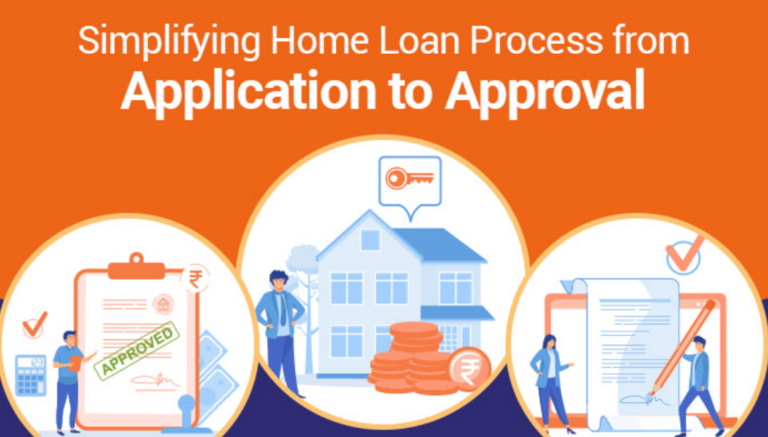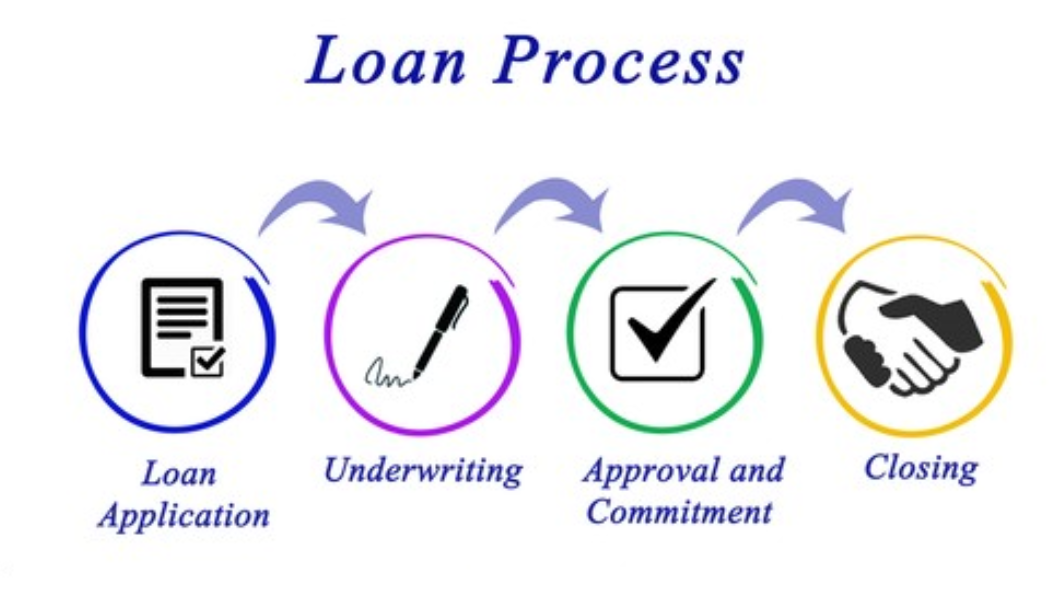
Applying for a mortgage loan can feel overwhelming, especially if it’s your first time navigating the home financing process. However, with the right preparation and a clear understanding of each step, you can significantly increase your chances of approval and secure the best possible loan terms. This comprehensive guide will walk you through the step-by-step process to apply for a mortgage loan successfully, ensuring you’re fully equipped to make informed decisions.
1. Understand What a Mortgage Loan Is
Before diving into the application process, it’s essential to understand what a mortgage loan actually is. A mortgage loan is a type of financing used to purchase real estate, where the property itself serves as collateral. If you fail to repay the loan, the lender has the right to foreclose on the property.
Mortgage loans typically come with long repayment terms, ranging from 15 to 30 years, and include interest that varies based on your creditworthiness and market conditions.
2. Assess Your Financial Situation
The first critical step in applying for a mortgage is evaluating your financial health. Lenders will closely examine your financial profile, so it’s important to know where you stand.
Key factors to review:
- Credit score: A higher score increases your chances of approval and better interest rates.
- Income stability: Consistent income demonstrates your ability to repay the loan.
- Debt-to-Income Ratio (DTI): This measures your monthly debt payments compared to your income.
- Savings: You’ll need funds for a down payment, closing costs, and reserves.
Tips:
- Obtain your credit report and check for errors.
- Pay down existing debts if possible.
- Avoid making large purchases before applying.
3. Determine Your Budget
Knowing how much house you can afford is crucial. This prevents you from overextending financially and helps narrow your property search.
Consider:
- Monthly mortgage payments
- Property taxes
- Insurance
- Maintenance costs
A common rule of thumb is that your monthly housing costs should not exceed 28–30% of your gross monthly income.
4. Save for a Down Payment
Most lenders require a down payment, typically ranging from 3% to 20% of the property’s purchase price.
Benefits of a larger down payment:
- Lower monthly payments
- Better interest rates
- Avoidance of private mortgage insurance (PMI)
Saving strategies:
- Set up automatic savings
- Cut unnecessary expenses
- Explore government assistance programs
5. Get Pre-Approved for a Mortgage
Pre-approval is a critical step that shows sellers you are a serious buyer and gives you a clear idea of how much you can borrow.
What lenders will check:
- Credit history
- Employment verification
- Income documentation
- Assets and liabilities
Documents you may need:
- Pay stubs
- Tax returns
- Bank statements
- Identification
Pre-approval also helps speed up the final loan approval process once you find a property.
6. Choose the Right Type of Mortgage
There are various types of mortgage loans available, and selecting the right one is essential.
Common types:
- Fixed-rate mortgage: Interest rate remains constant throughout the loan term.
- Adjustable-rate mortgage (ARM): Interest rate changes periodically.
- FHA loans: Government-backed loans with lower down payment requirements.
- VA loans: Available to eligible veterans and service members.
- Conventional loans: Not insured by the government and often require higher credit scores.
Each type has its advantages and disadvantages, so choose one that aligns with your financial goals.
7. Compare Lenders and Loan Offers
Not all lenders offer the same terms, so shopping around is essential.
Compare:
- Interest rates
- Loan terms
- Fees and closing costs
- Customer reviews
Getting multiple quotes can save you thousands of dollars over the life of the loan.
8. Submit Your Mortgage Application
Once you’ve chosen a lender, it’s time to submit your formal application.
The application includes:
- Personal information
- Employment details
- Financial history
- Property information (if already selected)
Be honest and accurate to avoid delays or rejection.
9. Go Through the Underwriting Process
Underwriting is where the lender evaluates your application in detail to determine whether to approve your loan.
What happens during underwriting:
- Verification of documents
- Credit check
- Property appraisal
- Risk assessment
The underwriter may request additional documentation, so respond promptly to avoid delays.
10. Conduct a Home Appraisal and Inspection
Before final approval, the lender will require a home appraisal to ensure the property’s value matches the loan amount.
Home appraisal:
- Conducted by a licensed appraiser
- Determines market value
Home inspection:
- Identifies potential issues with the property
- Helps you avoid costly surprises
Both steps are crucial to protect your investment.
11. Review the Loan Estimate and Closing Disclosure
After your application is approved, you’ll receive important documents outlining your loan terms.
Loan Estimate:
- Provided early in the process
- Includes estimated costs
Closing Disclosure:
- Final breakdown of costs
- Must be reviewed at least three days before closing
Carefully review these documents and ask questions if anything is unclear.
12. Prepare for Closing
Closing is the final step where ownership of the property is transferred to you.
What to expect:
- Signing legal documents
- Paying closing costs
- Receiving the keys to your new home
Closing costs may include:
- Loan origination fees
- Title insurance
- Attorney fees
- Taxes
Ensure you have all necessary funds ready before the closing date.
13. Close the Deal
On closing day, you’ll finalize the mortgage agreement and officially become a homeowner.
Steps involved:
- Final document signing
- Fund transfer
- Title transfer
Once completed, the property is legally yours.
14. Manage Your Mortgage Responsibly
Getting approved is just the beginning. Managing your mortgage properly ensures long-term financial stability.
Best practices:
- Make payments on time
- Set up automatic payments
- Maintain an emergency fund
- Consider refinancing if rates drop
Common Mistakes to Avoid
Even small mistakes can derail your mortgage application. Here are some to watch out for:
- Changing jobs during the application process
- Taking on new debt
- Missing document deadlines
- Overestimating your budget
- Ignoring additional costs
Being proactive and organized can help you avoid these pitfalls.
Tips to Increase Your Chances of Approval
If you want to improve your odds of getting approved, consider the following strategies:
- Improve your credit score before applying
- Maintain stable employment
- Reduce your debt-to-income ratio
- Save more for a down payment
- Work with a reputable lender
Preparation is key to a smooth mortgage process.
Benefits of a Well-Planned Mortgage Application
When you follow a structured approach, you gain several advantages:
- Faster approval process
- Better loan terms
- Lower interest rates
- Reduced stress
- Increased confidence in your financial decisions
Final Thoughts
Applying for a mortgage loan doesn’t have to be complicated. By understanding each step and preparing thoroughly, you can navigate the process with confidence and secure the financing you need to purchase your dream home.
From assessing your financial health to closing the deal, every stage plays a crucial role in ensuring success. Take your time, do your research, and don’t hesitate to seek professional advice when needed.