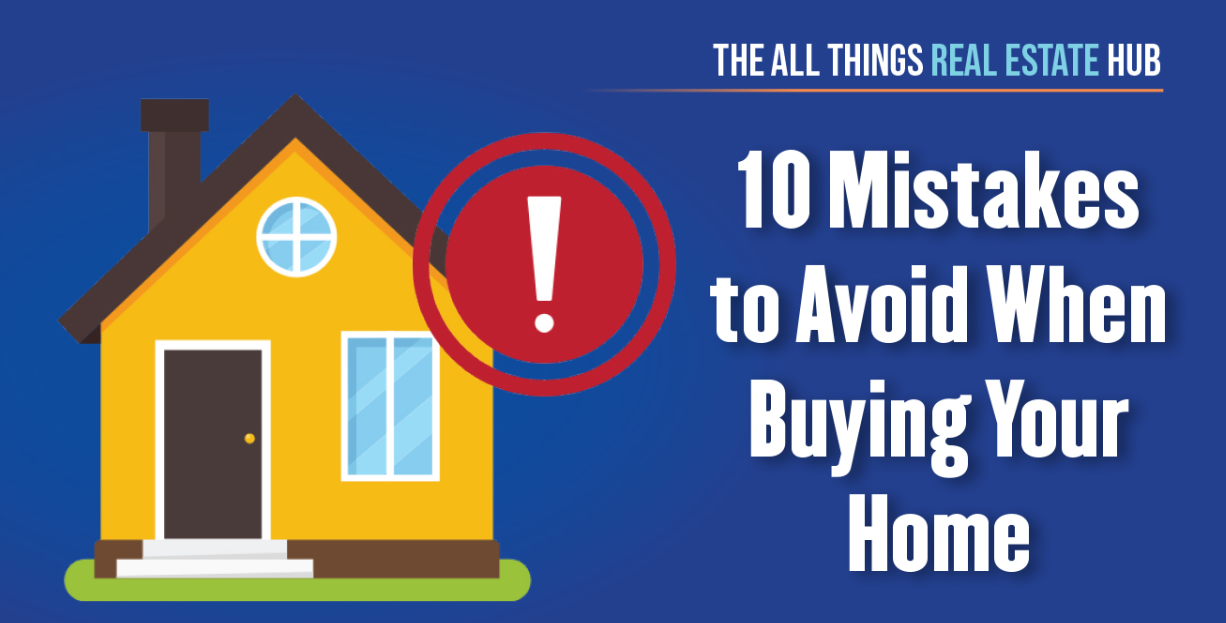
Buying your first home is one of the most exciting milestones in life. It represents independence, stability, and a major financial investment. However, navigating the mortgage process can be overwhelming, especially for first-time buyers. Without proper knowledge, it’s easy to make costly mistakes that could affect your finances for years to come.
In this comprehensive guide, we’ll explore the most common mortgage loan mistakes to avoid when buying your first home, along with practical tips to help you make smarter decisions and secure the best possible deal.
Understanding the Importance of Smart Mortgage Decisions
A mortgage is likely the largest loan you will ever take. Even a small mistake—like accepting a slightly higher interest rate or misunderstanding loan terms—can cost you thousands of dollars over time.
First-time buyers often focus solely on getting approved, rather than understanding the long-term implications of their mortgage choices. This is why education and preparation are crucial before entering the home-buying process.
1. Not Checking Your Credit Score Early
One of the biggest mistakes is failing to review your credit score before applying for a mortgage.
Why It Matters
Your credit score directly impacts:
- Your loan approval chances
- The interest rate you receive
- Your overall borrowing costs
Common Pitfalls
- Applying for a mortgage with a low score
- Ignoring errors in your credit report
- Not taking time to improve your score
How to Avoid It
Check your credit report at least 3–6 months before applying. Pay down debts, avoid late payments, and dispute any inaccuracies. Even a small improvement in your score can significantly reduce your interest rate.
2. Not Getting Pre-Approved
Many first-time buyers start house hunting without getting pre-approved for a mortgage.
Why This Is a Problem
- You may look at homes outside your budget
- Sellers may not take your offer seriously
- You risk delays or rejection later
Pre-Approval Benefits
- Clear understanding of your budget
- Stronger negotiating position
- Faster closing process
Tip
Always get pre-approved before you start viewing homes. It saves time and prevents disappointment.
3. Borrowing More Than You Can Afford
Just because a lender approves you for a certain amount doesn’t mean you should borrow the maximum.
The Risk
Overborrowing can lead to:
- Financial stress
- Difficulty managing monthly payments
- Increased risk of foreclosure
What to Consider
- Monthly expenses
- Emergency savings
- Future financial goals
Smart Strategy
Stick to a budget that allows you to live comfortably, not just survive financially.
4. Ignoring Additional Costs
Many first-time buyers focus only on the mortgage payment and forget about other expenses.
Hidden Costs Include
- Property taxes
- Homeowners insurance
- Maintenance and repairs
- HOA fees
- Closing costs
Why This Matters
These costs can add hundreds—or even thousands—of dollars to your monthly expenses.
Tip
Create a full homeownership budget, not just a mortgage budget.
5. Not Shopping Around for Lenders
Accepting the first loan offer you receive is a costly mistake.
Why Comparison Matters
Different lenders offer:
- Different interest rates
- Various loan terms
- Unique fees and conditions
Potential Savings
Even a 0.5% difference in interest rate can save thousands over the life of your loan.
Best Practice
Compare at least 3–5 lenders before making a decision.
6. Choosing the Wrong Loan Type
There are many types of mortgage loans, and choosing the wrong one can lead to long-term financial issues.
Common Loan Types
- Fixed-rate mortgages
- Adjustable-rate mortgages (ARM)
- FHA loans
- VA loans
- Conventional loans
Common Mistakes
- Choosing an ARM without understanding rate adjustments
- Selecting a loan with higher fees for short-term savings
Tip
Understand the pros and cons of each loan type and choose one that aligns with your financial situation and future plans.
7. Not Understanding Interest Rates
Interest rates are a critical factor in determining your monthly payment and total loan cost.
Fixed vs. Variable Rates
- Fixed: Stable payments over time
- Variable: Rates can change, affecting your payments
Mistakes to Avoid
- Focusing only on initial rates
- Ignoring long-term costs
- Not locking in a favorable rate
Advice
Always ask your lender to explain how your rate works and whether locking it is beneficial.
8. Making Big Financial Changes Before Closing
Once your mortgage application is in progress, your financial situation should remain stable.
Risky Actions Include
- Changing jobs
- Taking on new debt
- Making large purchases (e.g., cars, furniture)
Why It’s Dangerous
Lenders recheck your financial status before closing. Any changes could:
- Delay the process
- Reduce your loan amount
- Cancel your approval
Tip
Maintain financial consistency until your loan is finalized.
9. Skipping the Fine Print
Mortgage documents are complex, but ignoring them is a major mistake.
What You Might Miss
- Hidden fees
- Prepayment penalties
- Adjustable terms
- Escrow requirements
Solution
Take time to read all documents carefully. If something isn’t clear, ask your lender or consult a financial advisor.
10. Underestimating the Down Payment
Many buyers misunderstand how much they need for a down payment.
Common Misconceptions
- You always need 20%
- Lower down payments are always better
Reality
- Some loans allow as little as 3–5% down
- Lower down payments often mean higher monthly costs
Tip
Balance upfront affordability with long-term financial impact.
11. Ignoring Loan Fees and Closing Costs
Closing costs can be significant and often surprise first-time buyers.
Typical Fees Include
- Loan origination fees
- Appraisal fees
- Title insurance
- Legal fees
Cost Range
Usually between 2%–5% of the home price.
Tip
Ask for a Loan Estimate early so you can prepare financially.
12. Not Considering Future Financial Changes
Your financial situation today may not be the same in the future.
Consider Factors Like
- Career growth or changes
- Family planning
- Economic conditions
Mistake
Choosing a mortgage that doesn’t allow flexibility.
Advice
Opt for a loan structure that can adapt to future changes.
13. Relying Too Much on Online Calculators
While mortgage calculators are helpful, they don’t provide a complete picture.
Limitations
- They don’t include all fees
- They may use average interest rates
- They don’t reflect your personal financial situation
Tip
Use calculators as a starting point, not a final decision tool.
14. Skipping Professional Advice
Trying to handle everything alone can lead to mistakes.
Professionals Who Can Help
- Mortgage brokers
- Financial advisors
- Real estate agents
Benefits
- Expert insights
- Better loan options
- Guidance through complex processes
Tip
Investing in professional advice can save you money in the long run.
15. Letting Emotions Drive Decisions
Buying a home is emotional, but your mortgage decisions should be logical.
Emotional Mistakes
- Falling in love with a house beyond your budget
- Rushing into a loan agreement
- Ignoring red flags
Strategy
Stay objective and stick to your financial plan.
Practical Tips for First-Time Homebuyers
To avoid these common mistakes, follow these key strategies:
1. Plan Ahead
Start preparing at least 6–12 months before buying.
2. Build Emergency Savings
Ensure you have enough funds for unexpected expenses.
3. Understand Loan Terms
Never sign anything you don’t fully understand.
4. Compare Everything
Rates, fees, and lenders all matter.
5. Stay Financially Stable
Avoid major changes during the mortgage process.
Final Thoughts
Buying your first home is a life-changing experience, but it comes with significant financial responsibilities. By understanding and avoiding these common mortgage loan mistakes, you can protect your investment and set yourself up for long-term success.
Remember, the goal isn’t just to get a mortgage—it’s to get the right mortgage for your situation. Take your time, do your research, and don’t hesitate to seek professional advice when needed.