Understanding how mortgage loan interest rates work is one of the most important steps in buying a home. Whether you are a first-time homebuyer or looking to refinance, interest rates can significantly affect how much you pay over the life of your loan. Even a small difference in rates can translate into thousands of dollars saved—or lost.
In this comprehensive guide, we will break down how mortgage interest rates function, what influences them, and most importantly, how you can save money.
What Is a Mortgage Interest Rate?
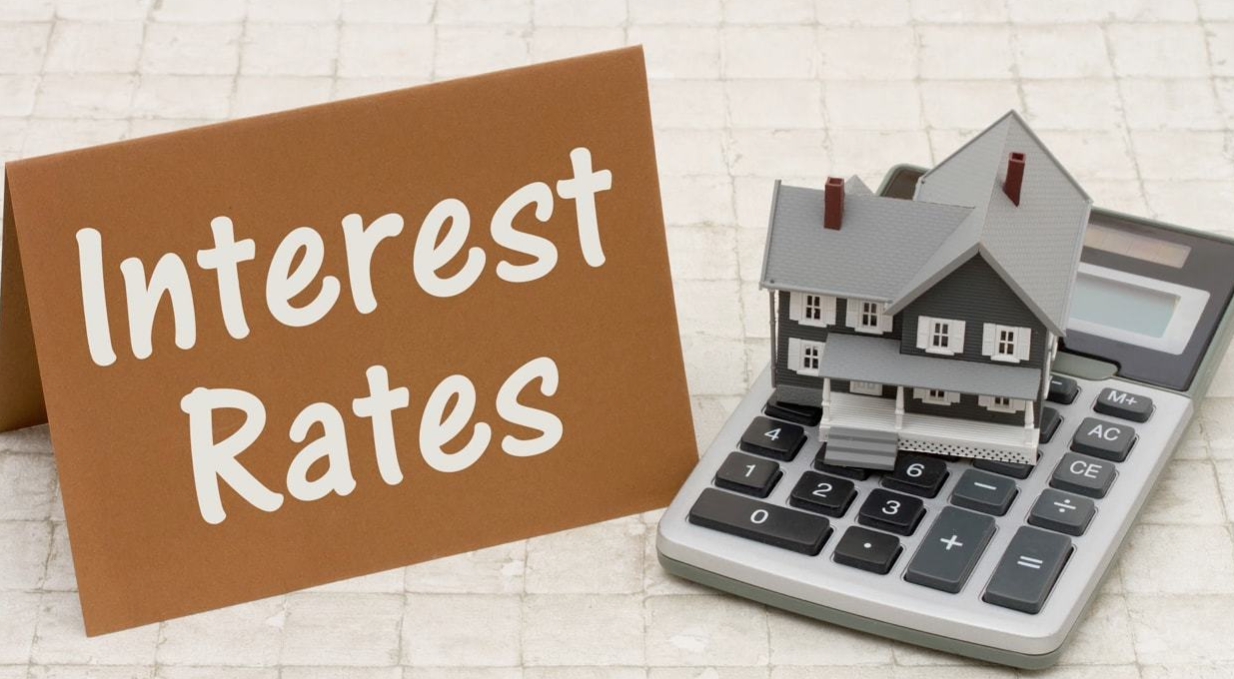
A mortgage interest rate is the percentage a lender charges you for borrowing money to purchase a home. This rate determines how much extra you will pay on top of the loan principal.
For example, if you borrow $300,000 with a 6% interest rate, you are not just repaying the $300,000—you are also paying interest over time based on that rate.
Mortgage rates can be:
- Fixed: Stay the same throughout the loan term
- Variable (Adjustable): Change periodically based on market conditions
How Mortgage Interest Rates Work
Mortgage interest rates are applied to your remaining loan balance. Each monthly payment you make is split into:
- Principal (the original loan amount)
- Interest (the cost of borrowing)
In the early years of your mortgage, a larger portion of your payment goes toward interest. Over time, more goes toward paying down the principal.
This process is called amortization.
Fixed vs Adjustable Interest Rates
Fixed-Rate Mortgages
A fixed-rate mortgage keeps the same interest rate for the entire loan term (e.g., 15, 20, or 30 years).
Advantages:
- Predictable monthly payments
- Protection from rising interest rates
Disadvantages:
- Usually higher initial rates compared to adjustable loans
Adjustable-Rate Mortgages (ARMs)
An adjustable-rate mortgage starts with a lower fixed rate for a certain period (e.g., 5 years), then adjusts periodically.
Advantages:
- Lower initial payments
- Good for short-term homeowners
Disadvantages:
- Rates can increase significantly
- Less predictability
Factors That Affect Mortgage Interest Rates
Mortgage rates are influenced by both personal and economic factors.
1. Credit Score
Your credit score is one of the biggest factors lenders consider. Higher scores typically qualify for lower rates.
- Excellent (750+): Best rates
- Good (700–749): Competitive rates
- Fair (650–699): Higher rates
- Poor (<650): Significantly higher rates
2. Loan Amount and Down Payment
A larger down payment reduces the lender’s risk, often resulting in a lower interest rate.
- 20% or more: Best rates and no PMI
- Less than 20%: Higher rates and added insurance costs
3. Loan Term
Shorter loan terms (like 15 years) usually have lower interest rates than longer terms (like 30 years).
However, shorter terms come with higher monthly payments.
4. Economic Conditions
Mortgage rates are heavily influenced by:
- Inflation
- Central bank policies
- Employment rates
- Bond market trends
When inflation rises, interest rates usually increase as well.
5. Type of Loan
Different loan types come with different interest rates:
- Conventional loans
- FHA loans
- VA loans
- Jumbo loans
Government-backed loans often offer more competitive rates for qualified borrowers.
How Interest Rates Affect Your Monthly Payment
Let’s look at a simple comparison:
- Loan amount: $300,000
- Term: 30 years
| Interest Rate | Monthly Payment | Total Interest Paid |
|---|---|---|
| 5% | $1,610 | $279,000 |
| 6% | $1,799 | $347,000 |
| 7% | $1,996 | $418,000 |
A 2% increase in interest rate can cost you over $100,000 more over the life of the loan.
How to Save Money on Mortgage Interest
Saving money on your mortgage is not just about finding the lowest rate—it’s about making smart financial decisions throughout the process.
1. Improve Your Credit Score
Before applying for a mortgage, take steps to boost your credit score:
- Pay bills on time
- Reduce credit card balances
- Avoid opening new credit accounts
Even a small improvement in your score can lower your rate.
2. Shop Around for Lenders
Different lenders offer different rates and fees. Comparing multiple offers can save you thousands.
Look at:
- Interest rates
- Closing costs
- Loan terms
Do not settle for the first offer you receive.
3. Make a Larger Down Payment
The more you pay upfront, the less you need to borrow—and the lower your interest rate may be.
Benefits include:
- Lower monthly payments
- Reduced interest costs
- No private mortgage insurance (PMI)
4. Choose a Shorter Loan Term
A 15-year mortgage often has a lower interest rate than a 30-year mortgage.
While monthly payments are higher, you will:
- Pay less total interest
- Own your home faster
5. Lock in Your Rate
Mortgage rates can change daily. A rate lock ensures that your interest rate stays the same during the closing process.
This is especially important in a rising rate environment.
6. Consider Buying Discount Points
Discount points allow you to pay upfront fees to reduce your interest rate.
- 1 point = 1% of loan amount
- Typically reduces rate by ~0.25%
This strategy works best if you plan to stay in the home long-term.
7. Refinance at the Right Time
If interest rates drop, refinancing your mortgage can save money.
However, consider:
- Closing costs
- How long you plan to stay in the home
A good rule: refinance if you can reduce your rate by at least 1%.
8. Avoid Unnecessary Fees
Some lenders add extra fees that increase your overall cost.
Watch out for:
- Origination fees
- Processing fees
- Prepayment penalties
Always read the fine print.
9. Make Extra Payments
Paying more than your required monthly payment can significantly reduce your interest costs.
Options include:
- Biweekly payments
- Extra principal payments
- Annual lump-sum payments
Even small additional payments can shorten your loan term.
10. Improve Your Debt-to-Income Ratio
Your debt-to-income (DTI) ratio measures how much of your income goes toward debt.
Lower DTI = lower risk = better interest rates.
To improve your DTI:
- Pay off existing debts
- Increase your income
Common Mistakes to Avoid
When dealing with mortgage interest rates, avoid these common mistakes:
Ignoring APR
The Annual Percentage Rate (APR) includes both interest and fees. It gives a more accurate picture of the loan cost.
Focusing Only on Monthly Payments
A lower monthly payment does not always mean a better deal. You could end up paying more interest over time.
Not Locking Your Rate
Waiting too long can result in a higher rate if the market changes.
Skipping Pre-Approval
Getting pre-approved helps you understand what rates you qualify for and strengthens your position as a buyer.
Fixed vs Adjustable: Which One Saves More Money?
The answer depends on your situation:
- Choose fixed-rate if you want stability and plan to stay long-term
- Choose ARM if you plan to sell or refinance before the rate adjusts
There is no one-size-fits-all solution.
The Role of Inflation in Mortgage Rates
Inflation plays a major role in determining mortgage interest rates.
When inflation rises:
- Purchasing power decreases
- Lenders demand higher interest rates
When inflation falls:
- Rates tend to decrease
Understanding this relationship can help you time your mortgage decisions.
Tips for First-Time Homebuyers
If you are new to mortgages, keep these tips in mind:
- Start improving your credit early
- Save for a larger down payment
- Learn basic mortgage terms
- Work with a trusted lender
- Avoid major financial changes before closing
Preparation can make a huge difference in the rate you receive.
Future Trends in Mortgage Interest Rates
While no one can predict rates with certainty, trends often follow economic patterns:
- Rising inflation → higher rates
- Economic slowdown → lower rates
Staying informed helps you act at the right time.
Conclusion
Mortgage loan interest rates play a crucial role in determining how much you will ultimately pay for your home. Understanding how these rates work empowers you to make smarter financial decisions.
By improving your credit score, shopping around, choosing the right loan type, and making strategic payments, you can save thousands—if not tens of thousands—over the life of your mortgage.